
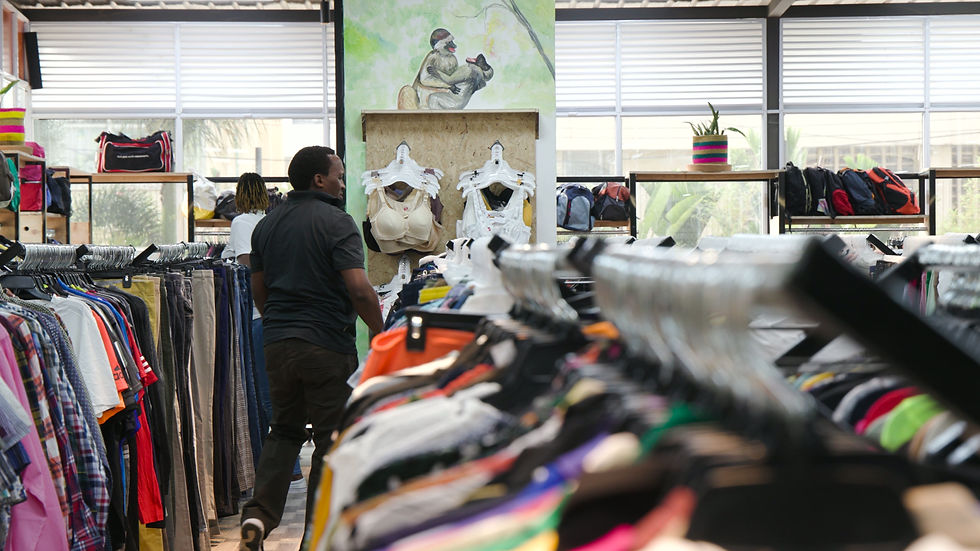
Finding Affordable Second-Hand Clothes in Nairobi: Cheap Mitumba Clothing Tips

When it comes to dressing well without breaking the bank, Nairobi offers a treasure trove of options. The city’s vibrant second-hand clothing market, often called "mitumba," is a fantastic place to find stylish, affordable pieces. I’ve spent a lot of time exploring these markets and learning how to spot the best deals. If you want to refresh your wardrobe sustainably and economically, I’m here to share some cheap mitumba clothing tips that will help you shop smart and look great.
Why Choose Cheap Mitumba Clothing Tips?
Shopping for second-hand clothes in Nairobi is not just about saving money. It’s also about embracing sustainability and supporting a culture that values reuse and creativity. Mitumba clothing markets are bustling hubs where you can find everything from casual wear to unique vintage pieces. However, navigating these markets can be overwhelming if you don’t know what to look for.
By following some simple tips, you can avoid common pitfalls like poor quality or overpriced items. Plus, you’ll learn how to spot hidden gems that fit your style perfectly. Whether you’re a beginner or a seasoned mitumba shopper, these tips will make your experience more enjoyable and rewarding.

Where to Find the Best Cheap Mitumba Clothing in Nairobi
Nairobi has several popular spots where you can find affordable second-hand clothes. Each location has its own vibe and specialties, so it’s worth exploring a few to see what suits your taste and budget.
Gikomba Market: This is the largest and most famous mitumba market in Nairobi. You’ll find a wide variety of clothes here, from everyday wear to branded items. The prices are generally low, but bargaining is essential.
Kariokor Market: Known for its vibrant atmosphere, Kariokor offers a mix of new and second-hand clothes. It’s a great place to hunt for unique pieces and accessories.
Ngara Market: This market is popular for affordable clothes and household items. It’s less crowded than Gikomba, making it easier to browse.
Muthurwa Market: Another excellent spot for budget-friendly clothes, especially if you want to buy in bulk or for resale.
When you visit these markets, take your time to inspect the clothes carefully. Look for quality fabrics, intact seams, and minimal stains or damage. Don’t hesitate to ask the sellers about the origin of the clothes or try them on if possible.
How to Spot Quality Clothes in Mitumba Markets
One of the biggest challenges when shopping for second-hand clothes is ensuring you get good quality items. Here are some practical tips to help you identify durable and stylish pieces:
Check the Fabric: Natural fibers like cotton, wool, and linen tend to last longer and feel better on the skin. Avoid synthetic materials that look cheap or feel rough.
Inspect Seams and Stitching: Look closely at the seams to make sure they are strong and not coming apart. Loose threads or uneven stitching can mean the garment won’t last.
Look for Stains and Odors: Some stains can be removed, but others might be permanent. Smell the clothes to ensure they don’t have a musty or chemical odor.
Try It On: If the seller allows, try the clothes on to check the fit and comfort. Sizes can vary, so don’t rely solely on labels.
Consider Alterations: Sometimes a small alteration can make a piece perfect. If you find something you like but it needs a tweak, factor in the cost of tailoring.
By applying these tips, you’ll avoid wasting money on clothes that won’t last or suit your style.
How to Negotiate Prices Like a Pro
Bargaining is part of the mitumba shopping experience. Sellers expect it, and it’s a skill that can save you a lot of money. Here’s how to negotiate effectively:
Start Low: Begin by offering about 50-60% of the asking price. This gives you room to negotiate upwards.
Be Polite and Friendly: A smile and a respectful tone go a long way. Sellers are more likely to give you a good deal if you’re pleasant.
Bundle Items: If you’re buying several pieces, ask for a discount on the total. Sellers often reduce prices for bulk purchases.
Know the Market: If you’ve visited other stalls, you’ll have a sense of fair prices. Use this knowledge to justify your offer.
Be Ready to Walk Away: Sometimes, the best tactic is to show you’re willing to leave. Sellers may call you back with a better price.
Negotiating is not just about price; it’s about building a rapport and understanding the value of the clothes.

Caring for Your Mitumba Finds
Once you’ve scored some great pieces, it’s important to care for them properly to extend their life. Here are some simple care tips:
Wash Before Wearing: Always wash second-hand clothes before wearing them. Use a gentle detergent and consider soaking them in a vinegar solution to remove odors.
Repair Minor Damage: Fix small holes, loose buttons, or broken zippers promptly to prevent further damage.
Store Properly: Keep your clothes in a cool, dry place. Use moth repellents if you’re storing wool or delicate fabrics.
Rotate Your Wardrobe: Avoid wearing the same items too frequently to reduce wear and tear.
Taking good care of your mitumba clothes means you’ll enjoy them longer and get more value for your money.
Embracing Sustainable Fashion with Mitumba
Shopping for affordable second hand clothes is not just a budget-friendly choice; it’s a step towards a more sustainable lifestyle. By choosing mitumba, you help reduce textile waste and lessen the demand for new clothing production, which often has a high environmental cost.
Supporting local markets also boosts the economy and keeps the mitumba culture alive. It’s a win-win situation where you get stylish clothes, save money, and contribute to a healthier planet.
If you want to make a positive impact with your fashion choices, mitumba shopping in Nairobi is a great place to start.
Your Next Steps to Affordable Style
Now that you know where to go, what to look for, and how to negotiate, it’s time to hit the markets with confidence. Remember these key points:
Explore different mitumba markets to find your favorite spots.
Inspect clothes carefully for quality and fit.
Bargain politely and bundle your purchases.
Care for your clothes to make them last.
Embrace the sustainable fashion movement by choosing second-hand.
With these cheap mitumba clothing tips, you can build a stylish, affordable wardrobe that reflects your values and personality. Happy shopping!

Comments