
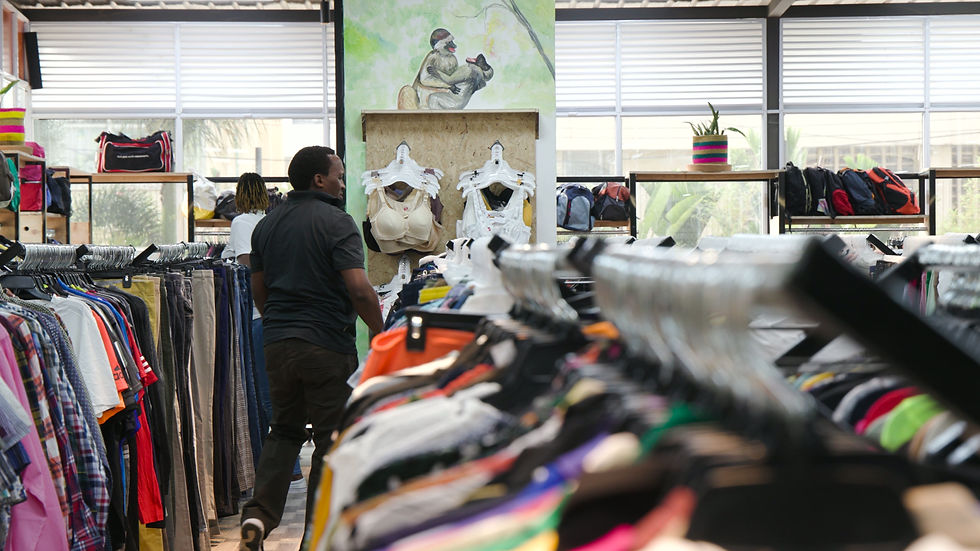
Navigating Nairobi's second hand clothes shopping - Your Nairobi Thrift Shop Guide

Updated: Aug 14
If you love fashion but want to keep your budget in check, Nairobi's second-hand clothing shops are a treasure trove waiting to be explored. These shops offer a wide range of styles, from vintage finds to everyday wear, all at affordable prices. Plus, shopping second-hand is a great way to support sustainability and reduce waste. In this guide, I’ll walk you through everything you need to know to make the most of Nairobi’s thrift shopping scene.
Discovering Nairobi Thrift Shop Guide: Where to Start
Nairobi is known for its vibrant "mitumba" culture, which means second-hand clothing in Swahili. These shops are scattered all over the city, from bustling markets to quiet neighborhood corners. To get started, it helps to know where to look.
Some of the most popular areas include Gikomba Market, Kangundo Road, and Eastleigh. Each spot has its own vibe and selection. Gikomba is the largest and busiest, offering a huge variety of clothes at bargain prices. Kangundo Road has more boutique-style shops with carefully curated items. Eastleigh is known for trendy and sometimes branded second-hand clothes.
When you’re ready to explore, seond hand clothe shoping, use a nairobi shop locator to find shops near you. This tool can save you time and help you plan your shopping trip efficiently.
Tips for First-Time Shoppers
Go early: The best items get snapped up quickly.
Bring cash: Most shops prefer cash payments.
Inspect items carefully: Check for stains, tears, and missing buttons.
Negotiate prices: Bargaining is common and expected.

How to Shop Smart in Nairobi’s Second-Hand Clothing Shops
Shopping second-hand is a skill. You want to find quality pieces that fit your style and budget. Here are some practical tips to help you shop smart:
Know your size: Sizes can vary widely, so bring a measuring tape or try clothes on if possible.
Focus on quality: Look for durable fabrics like denim, cotton, and wool.
Check seams and zippers: These details tell you a lot about the garment’s condition.
Think about alterations: Some clothes might need minor fixes, which can be worth it if the price is right.
Mix and match: Don’t be afraid to combine thrifted pieces with your existing wardrobe.
Shopping second-hand is also about patience. You might not find what you want on your first visit, but keep exploring. The more you visit, the better you’ll get at spotting gems.
Which is the Best Online Store to Buy Clothes?
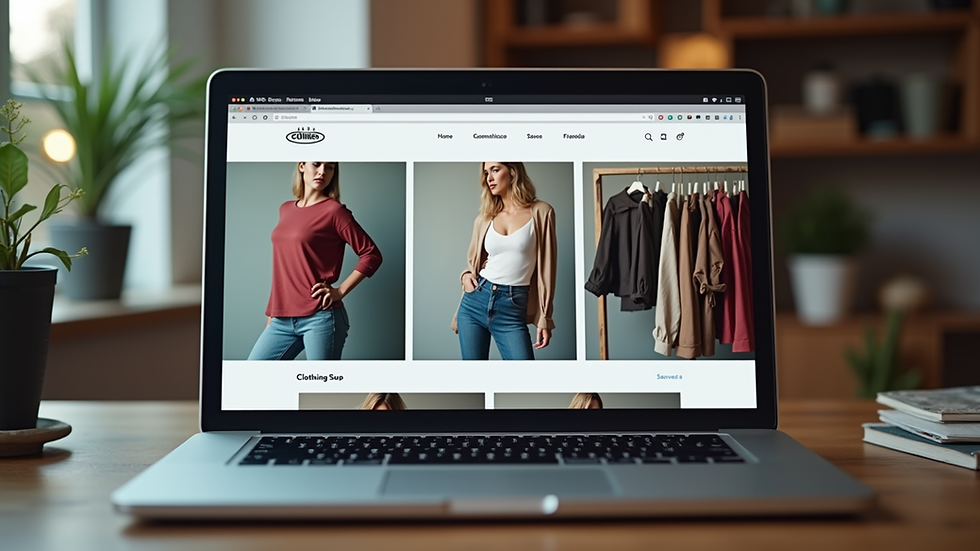
While physical shops offer a hands-on experience, online stores are becoming popular for second-hand shopping in Nairobi. They provide convenience and a wider selection without the hustle of markets.
Some online platforms specialize in second-hand clothes, offering everything from casual wear to formal outfits. These stores often provide detailed photos and descriptions, making it easier to choose items. Plus, many offer delivery services, saving you time and effort.
When shopping online, consider these points: for second hand clothes shopping
Check return policies: Make sure you can return items if they don’t fit or match the description.
Read reviews: Customer feedback can help you avoid scams or poor-quality products.
Compare prices: Some online shops might charge more due to shipping or handling fees.
Using online stores alongside physical shops can give you the best of both worlds. You get the thrill of treasure hunting in person and the convenience of browsing from home.
Sustainable Fashion: Why Second-Hand Shopping Matters
Choosing second-hand clothes is not just about saving money. It’s also a powerful way to support sustainable fashion. The fashion industry is one of the biggest polluters globally, and buying used clothes helps reduce waste and demand for new production.
By shopping second hand clothe you contribute to:
Reducing textile waste: Clothes get a second life instead of ending up in landfills.
Lowering carbon footprint: Less manufacturing means fewer emissions.
Supporting local economies: Many second-hand shops are small businesses or community-run.
Sustainability is becoming a key value for many shoppers. When you pick up a unique piece from a thrift shop, you’re making a positive impact on the environment and promoting a culture of mindful consumption.
Making the Most of Your Nairobi Thrift Shop Experience
To enjoy your thrift shopping adventures fully, here are some final tips:
Bring a friend: Shopping with someone can make the experience more fun and help you get honest opinions.
Stay open-minded: Sometimes the best finds are unexpected.
Plan your outfits: Think about how new pieces will fit into your existing wardrobe.
Keep a list: Note what you need to avoid impulse buys.
Support ethical shops: Look for stores that treat their workers fairly and promote sustainability.
Remember, seond-hand-clothe-shoping are more than just places to buy clothes. They are hubs of culture, history, and community. Each item has a story, and every purchase supports a larger movement toward affordable, sustainable fashion.
Happy Thrifting!
If you want to explore Nairobi’s second-hand clothing scene, start with a shop locator to find the best spots near you. Dive in, enjoy the hunt, and discover your next favorite outfit without breaking the bank.


Comments